.svg)

The Fastest Growing Event in Rodeo
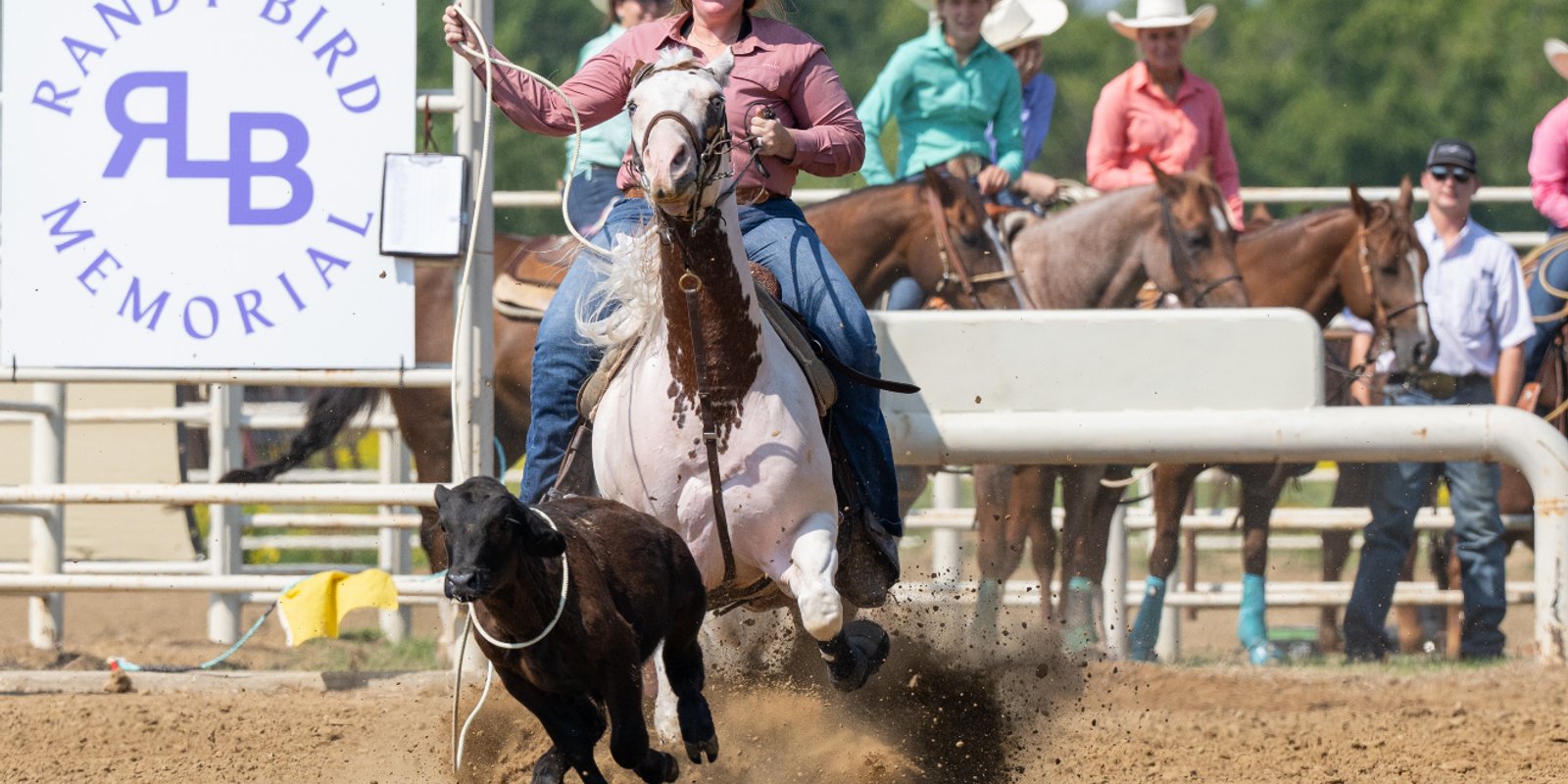
Breakaway roping has exploded in popularity, offering fast-paced action and incredible competition. Whether you're new to the event or looking to shave tenths off your time, mastering the fundamentals separates the good from the great.
What Makes Breakaway Different
While breakaway shares roots with tie-down roping, it demands its own skill set. The goal is simple: catch the calf cleanly and have your rope break away from the saddle horn as quickly as possible. No dismounting, no flanking. Just pure speed and precision.
Key differences from other roping events:
- Speed is paramount. Fractions of seconds matter
- String must break cleanly from the horn
- No ground work required
- Smaller calves mean smaller targets
- Typically uses lighter, faster ropes
Equipment Setup for Success
Your equipment configuration directly impacts your times. Small adjustments can make significant differences.
Choosing a Breakaway Rope
Breakaway ropes are typically lighter and faster than team roping ropes.
Ideal characteristics:
- 9.0-10.0mm diameter (smaller than team ropes)
- 28-30 feet in length
- Lighter weight for faster delivery
- Stiffer lay for quick loop turnover
The String That Matters
Your breakaway string is more than an afterthought. An inconsistent string can cost you runs.
String considerations:
- Use consistent string material every run
- Replace strings regularly
- Test string break-away tension before competition
- Keep backup strings ready
Honda Setup
A well-tuned honda ensures smooth, fast catches.
- Metal breakaway hondas are popular for consistency
- Check for burrs or rough spots that slow the rope
- Some ropers prefer specific honda weights for feel
Mastering the Box
Your success starts in the box. Proper setup and timing give you the edge before the calf even leaves the chute.
Positioning Your Horse
Ideal box position:
- Square to the front of the box
- Weight balanced for explosive start
- Alert but calm, not anticipating
- Enough room to drive forward
Reading the Chute
Watch the calf in the chute. Notice if it's:
- Standing calmly or anxious
- Positioned to run straight or fade
- A strong runner or slower starter
This information helps you anticipate the run and react faster.
The Score
Finding your ideal score takes practice. Too tight and you risk a barrier; too far back and you're chasing.
Finding your sweet spot:
- Start at a moderate score and adjust
- Note what works with different calf types
- Be willing to adjust based on conditions
- Consistent scoring leads to consistent times
The Throw: Mechanics That Matter
In breakaway, your throw must be fast and accurate. There's no time for adjustment loops.
Building Speed in Your Delivery
Speed comes from efficiency, not effort. Wasted motion slows you down.
Keys to a faster throw:
- Keep your arm motion compact
- Start your swing as your horse leaves the box
- Release at the earliest possible moment
- Follow through toward your target
Accuracy Under Pressure
A fast miss is still a miss. Balance speed with accuracy.
Accuracy fundamentals:
- Keep your eye on the target through release
- Throw through the target, not at it
- Practice until accuracy becomes automatic
- Develop consistent loop size
Loop Size Considerations
Smaller targets mean more precise loops. However, throwing too small increases miss risk.
Finding the right balance:
- Practice with loops just large enough to catch
- Consistent loop size improves timing
- Adjust slightly for different calf sizes
- Smaller loops close faster
The Run: From Box to Catch
The run itself is where preparation meets execution.
Getting Out of the Box
Your horse's first few strides set up the entire run.
First-stride priorities:
- Explosive forward motion
- Straight line toward the calf
- Immediate rope preparation
- Eyes on the target
Rating Your Calf
Good breakaway ropers rate their calves by matching speed and closing distance smoothly.
Rating technique:
- Don't overrun your calf
- Maintain consistent distance through the throw
- Let the calf come to you rather than chasing
- Smooth is fast
Timing the Throw
Throw too early and your loop isn't in position. Too late and you're reaching.
Optimal timing:
- Throw when your horse's nose reaches the calf's hip
- Allow time for the loop to open
- Consider arena conditions (wind, footing)
- Develop a consistent rhythm
After the Catch
The run isn't over when the loop lands. String break and stop complete the time.
Clean String Break
Your string should break smoothly when the rope tightens.
Ensuring clean breaks:
- Tie string consistently every run
- Don't over-tighten to the horn
- Check for wear on your horn wrap
- Practice your string tie until it's automatic
The Stop
A hard stop helps ensure a clean break and shows the judges a definitive end.
Stop fundamentals:
- Begin stopping as the rope catches
- Keep your hand up to show the flag
- Practice stops even in non-live practice
Practice Drills for Breakaway
Improvement comes through intentional practice. Here's a structured approach:
Dummy Work (Daily)
- 50 throws focusing on speed
- 25 throws focusing on accuracy
- 25 throws combining both
Live Practice (2-3x/Week)
- 10 runs focusing on box work
- 10 runs focusing on the throw
- 10 runs full speed
Competition Simulation
- Practice under time pressure
- Have someone call times
- Simulate competition nerves
Mental Game in Breakaway
The mental side of breakaway is huge. Runs are so fast that overthinking destroys performance.
Mental preparation:
- Develop a pre-run routine
- Trust your practice
- Stay present. One run at a time
- Learn from misses without dwelling
Common Mistakes to Avoid
In the box:
- Over-anticipating the start
- Poor horse position
- Inconsistent scoring
During the run:
- Chasing instead of rating
- Overthinking the throw
- Tense arm and shoulder
At the catch:
- Poor string break mechanics
- Weak stop
- Not showing the flag clearly
Breakaway roping rewards those who master the fundamentals and execute under pressure. Put in the work, stay focused, and the times will follow.
Ready to take your breakaway roping to the next level? Join Coward To Cowboy for professional instruction from ropers who've competed at the highest levels.