.svg)
-9efc8cb6.jpeg)

Why Heeling Technique Matters More Than Speed
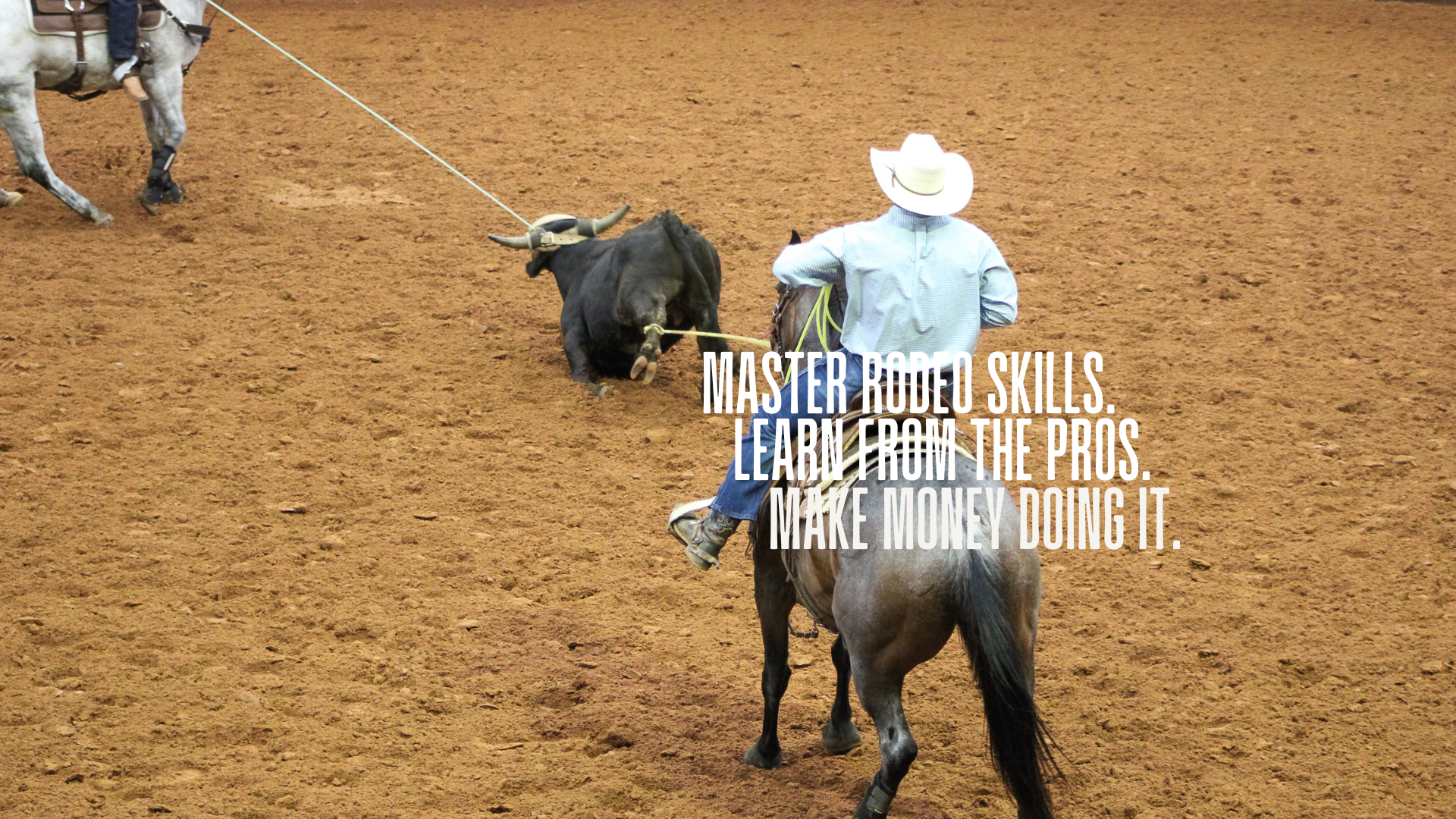
Every heeler knows the frustration of watching a perfect head catch go to waste because of a missed heel loop. The truth is, consistent heeling comes down to fundamentals, not how fast you can throw your rope. Whether you're roping at local jackpots or working toward professional rodeos, mastering these five keys will transform your success rate.
1. Master Your Corner Position
The corner is where heeling runs are won or lost. Position yourself so your horse's nose is even with the steer's hip as you come around the corner. Too far forward and you'll be reaching back; too far behind and you'll be chasing.
Key checkpoints:
- Keep your eyes on the steer's hind feet, not the header
- Maintain a consistent distance from the steer (about 6-8 feet)
- Let the steer come to you rather than pushing into position
2. Read the Steer's Movement
Every steer moves differently. Some hop, some shuffle, and some stride out long. Reading the rhythm of the steer's back feet is essential for timing your delivery.
Watch for these patterns:
- Hoppy steers – Wait for the moment both feet leave the ground together
- Striding steers – Time your throw as the hind feet spread apart
- Dragging steers – Adjust your loop size and throw earlier in the stride
3. Perfect Your Rope Delivery
A good heel loop starts with proper hand position. Keep your elbow up and your wrist relaxed. The rope should flow off your hand smoothly, not snap out with force.
Practice this drill: Set up a heel-o-matic or roping dummy and focus on smooth, consistent deliveries. Count "one-two-throw" with each practice loop to develop rhythm. Quality repetitions beat speed every time.
4. Control Your Loop Size
Many heelers throw loops that are either too big or too small. A loop that's too large gets caught on hocks; too small misses entirely. The ideal heel loop is just large enough to catch both feet with room to close.
Finding your ideal loop size:
- Start with a loop about 2.5 feet in diameter
- Adjust based on arena conditions and steer size
- In muddy conditions, go slightly larger
- For smaller steers, tighten your loop accordingly
5. Finish Strong: The Dally and Pull
Catching the feet is only half the battle. A clean dally and solid pull complete the run. As your loop closes, immediately dally and ride forward to take the slack. Your horse should already be moving to face the steer.
Common mistakes to avoid:
- Waiting too long to dally
- Pulling before the loop fully closes
- Not riding forward to tighten the catch
Putting It All Together
Great heeling doesn't happen overnight. It's built through thousands of practice loops and intentional focus on fundamentals. Set up a weekly practice schedule that includes:
- 50-100 stationary dummy loops (focus on delivery)
- 20-30 heel-o-matic runs (focus on timing)
- 10-15 live cattle runs (put it all together)
At Coward To Cowboy, our professional instructors break down heeling technique step by step. Whether you're just starting out or looking to refine your skills for competition, consistent practice with proper form will get you catching more steers and climbing the leaderboard.
Ready to take your heeling to the next level? Sign up for Coward To Cowboy and get access to professional coaching from NFR-qualified ropers who've mastered these techniques at the highest level.