.svg)

Trailering Is Part of the Game
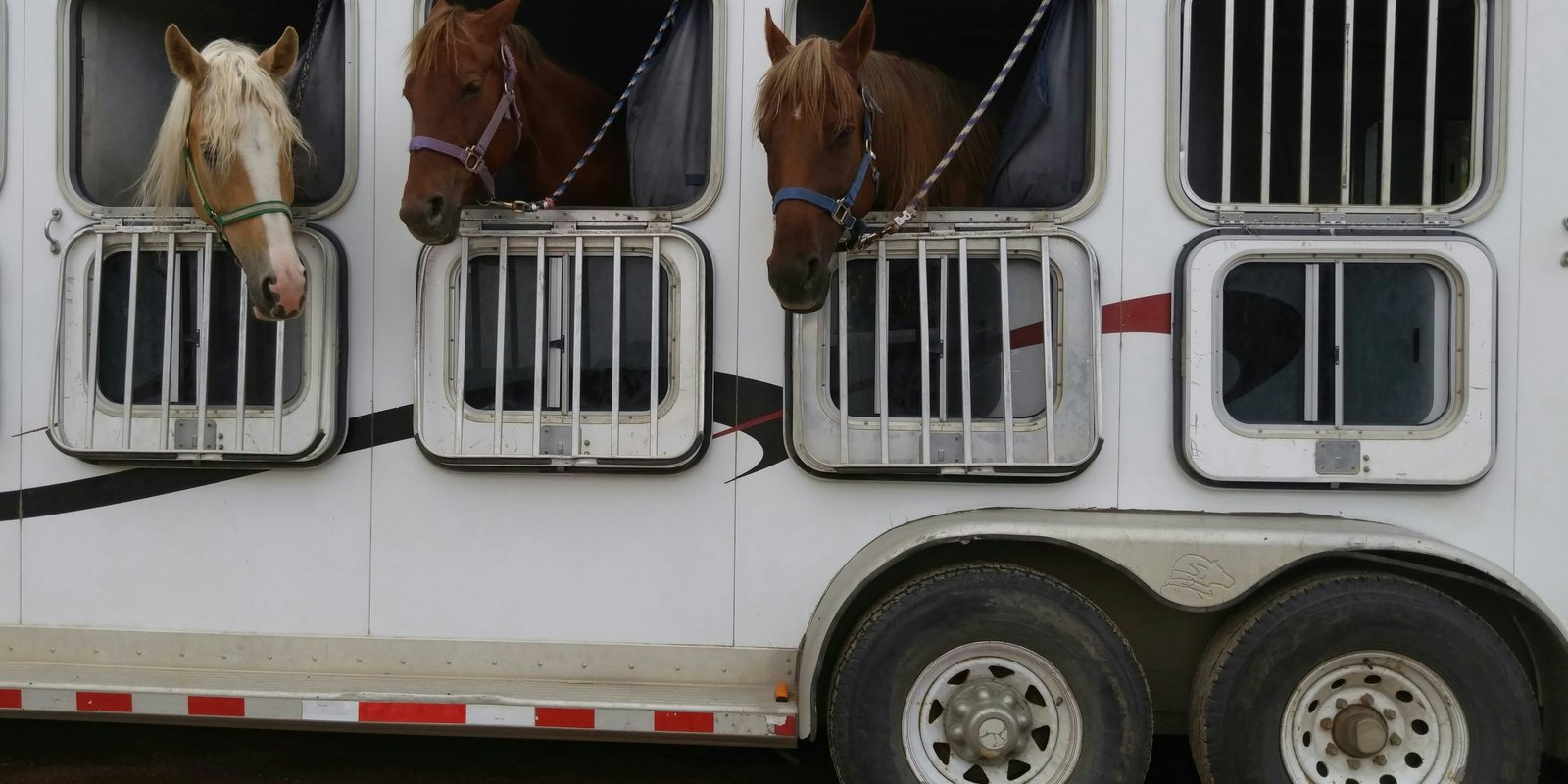
If you're serious about roping, you're going to spend serious time on the road. Hauling horses to practices, jackpots, and rodeos is just part of the lifestyle. Doing it safely protects your most valuable partner and ensures you both arrive ready to compete.
Before You Hook Up: Trailer Inspection
A pre-trip inspection should be automatic. Trailer problems on the highway are dangerous and expensive.
Exterior Check
Walk around and inspect:
- Tire condition and pressure (don't forget the spare)
- Lights: brake, turn signals, and running lights
- Hitch connection and safety chains
- Floor condition visible from outside
- Door and window latches
Interior Check
Inside the trailer:
- Floor integrity: look for soft spots or rust
- Mats secure and in good condition
- Dividers and stall guards functioning
- Tie rings and hardware secure
- Adequate bedding or mats for traction
Tow Vehicle
Ensure your truck is ready:
- Properly rated for the trailer weight
- Brake controller functioning
- Mirrors adjusted for visibility
- Adequate fuel for the trip
Preparing Your Horse for Travel
Preparation starts before you ever approach the trailer.
Health and Fitness
Before loading:
- Horse should be healthy and sound
- Current on vaccinations (some events require proof)
- Coggins test up to date
- No signs of illness or injury
Protective Gear
Consider using:
- Shipping boots or wraps for leg protection
- Tail wrap to prevent rubbing
- Head bumper for horses prone to raising heads
- Fly sheet in warm weather if well-ventilated
Pre-Travel Feeding
- Avoid feeding grain immediately before travel
- Hay is fine and helps keep horses calm
- Ensure adequate hydration before loading
- Bring hay nets for the trip
Loading Techniques That Work
Loading problems are common, but they're almost always solvable with proper technique and patience.
Setting Up for Success
Before asking the horse to load:
- Park on level ground when possible
- Open all doors and windows for light
- Remove any obstacles or debris
- Have the interior clean and inviting
The Calm, Confident Approach
Horses read your energy. Approach loading with calm confidence, not tension or frustration.
Key principles:
- Walk toward the trailer with purpose
- Don't hesitate at the ramp or step-up
- Reward every forward effort
- Never make loading a fight
Step-by-Step Loading Process
- Approach confidently – Walk directly toward the opening
- Allow exploration – Let the horse look and sniff if needed
- Encourage forward movement – Use voice, lead rope pressure, or a dressage whip tap if needed
- Reward immediately – The moment front feet enter, praise
- Complete the load – Encourage full entry without rushing
- Secure properly – Attach tie and close divider before butt bar/door
Problem-Solving Difficult Loaders
For hesitant horses:
- Practice loading at home with no pressure
- Feed meals in the trailer
- Start with short, positive sessions
- Never end on a negative note
For rushing horses:
- Slow everything down
- Practice backing out calmly
- Make the trailer a quiet place, not exciting
- Address underlying anxiety
Securing Your Horse Properly
How you tie and secure your horse affects both safety and comfort.
Tie Length
The right length:
- Long enough for natural head movement
- Short enough to prevent turning around
- Generally 2-3 feet of play
- Allows eating hay but not excess movement
Breakaway Ties
Always use a breakaway:
- Trailer ties designed to release under extreme pressure
- Baling twine as a backup
- Never tie directly to solid ring with non-breakaway equipment
- Check condition regularly
Divider and Partition Use
- Most horses prefer having a divider for support
- Some horses travel better in open stock trailers
- Know your horse's preference
- Ensure dividers are properly secured
On the Road: Safe Driving Practices
Hauling horses requires different driving habits than empty travel.
Speed and Smoothness
Drive as if:
- You have a glass of water on the dashboard
- Accelerate smoothly
- Brake early and gradually
- Take corners slowly
Following Distance
- Increase following distance significantly
- Remember you need more stopping distance
- Avoid situations requiring sudden stops
- Stay aware of traffic flow
Hills and Grades
- Downshift on descents
- Use lower gears on steep climbs
- Don't ride the brakes downhill
- Be patient. Slow is fine
Rest Stops
On longer trips:
- Stop every 3-4 hours
- Check horses visually and by touch
- Offer water
- Allow legs to rest if possible
- Never unload on the roadside
Weather Considerations
Weather affects trailering decisions and preparation.
Hot Weather
- Travel during cooler parts of the day
- Ensure maximum ventilation
- Check water more frequently
- Watch for signs of heat stress
Cold Weather
- Close windows and vents appropriately
- Blanket if needed but avoid overheating
- Check water because dehydration risk exists in cold too
- Be cautious of icy roads
Storms
- Avoid traveling in severe weather when possible
- If caught in a storm, find safe place to stop
- Don't park under trees or overpasses
- Stay with your horses
Unloading Safely
Unloading has its own risks. Rushing causes accidents.
Before Opening
- Ensure safe, clear area behind trailer
- Have someone spot if backing into traffic area
- Know your horse's unloading behavior
Unloading Process
- Open rear door/ramp fully
- Untie horse before releasing butt bar
- Back horse slowly and calmly
- Allow horse to find footing
- Move away from trailer promptly
Post-Travel Care
- Offer water immediately
- Allow leg stretching
- Check legs for any travel injuries
- Give horse time to settle before work
Building Good Trailering Habits
Regular hauling becomes easier when you establish routines.
Make it routine:
- Load/unload practice sessions at home
- Consistent pre-trip inspection checklist
- Same loading and securing process every time
- Regular trailer maintenance schedule
Your horse is your partner in this sport. Taking care of them on the road ensures they arrive healthy, calm, and ready to perform when it matters.
At Coward To Cowboy, we help members develop every skill they need to succeed, including the often-overlooked fundamentals of horse care and management. Join our community today.